
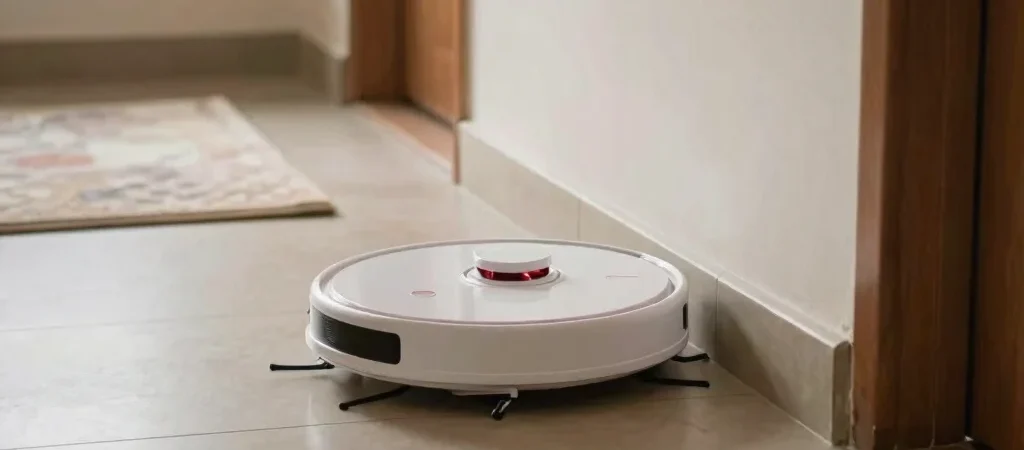
A robot vacuum can map every room and still struggle with the everyday details: a raised doorway, loose charging cables or dust that gathers along the skirting board. For Indian homes, the useful comparison is not simply which model claims more suction. It is which combination of navigation, brush design and maintenance suits your floors and routine.
Start with how it navigates
Laser-based mapping can help a vacuum plan repeatable routes and clean named rooms, while simpler navigation may rely more on sensors and repeated passes. Neither approach guarantees a better clean in every home: furniture changes, dark floor surfaces and narrow passages can affect how a machine moves. Check whether the app lets you set no-go zones around cables, pet bowls or a floor-level shrine.
Look beyond suction claims
Long hair and household dust put steady demands on the main brush and filter, so easy removal and cleaning can matter as much as a headline suction figure. If the vacuum also mops, check whether it lifts or avoids the mop pad around rugs, and whether you must remove it before the machine crosses a threshold. A mop attachment is useful for light upkeep, but it should not be mistaken for a replacement for scrubbing dried spills.
Count the upkeep at home
Before comparing models, note your floor types, doorway heights, rug edges and the places where dust collects. Then check the cost and availability of replacement filters, brushes and mop pads in India, along with the space a charging dock needs near a socket. MediaWhizz Smart may earn a commission if you buy through affiliate links; that relationship does not determine our editorial comparisons.
Products not fetched from DB and/or API. Please check debug logs.